

Insights
Shape What Comes Next
If you believe in a better future – shaped by wisdom, grounded in action – we invite you to connect with us. Whether you are an individual, institution, or a movement, there is space for your voice
Food for Thought
Rising Inequality and Economic Vulnerability
Over the last century, the world economy has seen staggering growth—global GDP has surged from around $3 trillion in 1925 to nearly $160 trillion today (in PPP terms). Alongside, average per capita income have also grown – from just $1,450 in 1925 to $19,750 now.
However, this growth has come with a deep divide – the top 10% of the world’s population now holds a staggering 74% of global wealth, while the bottom half of humanity owns just 2%.
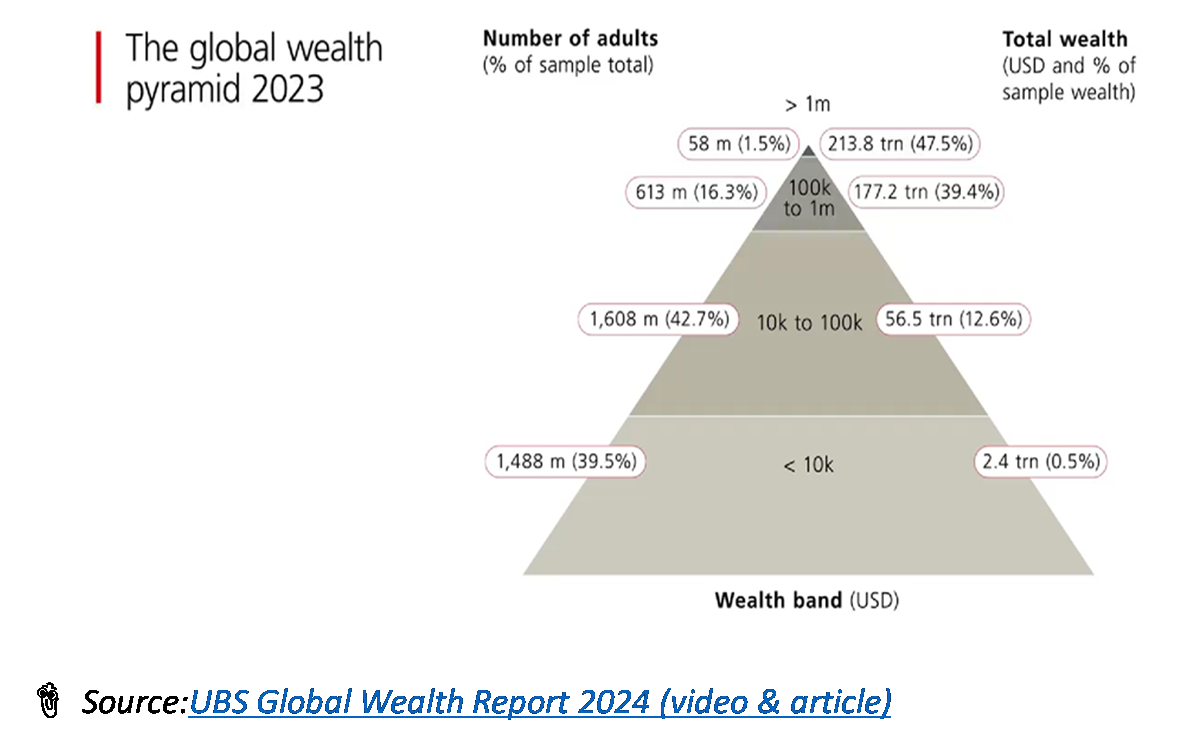
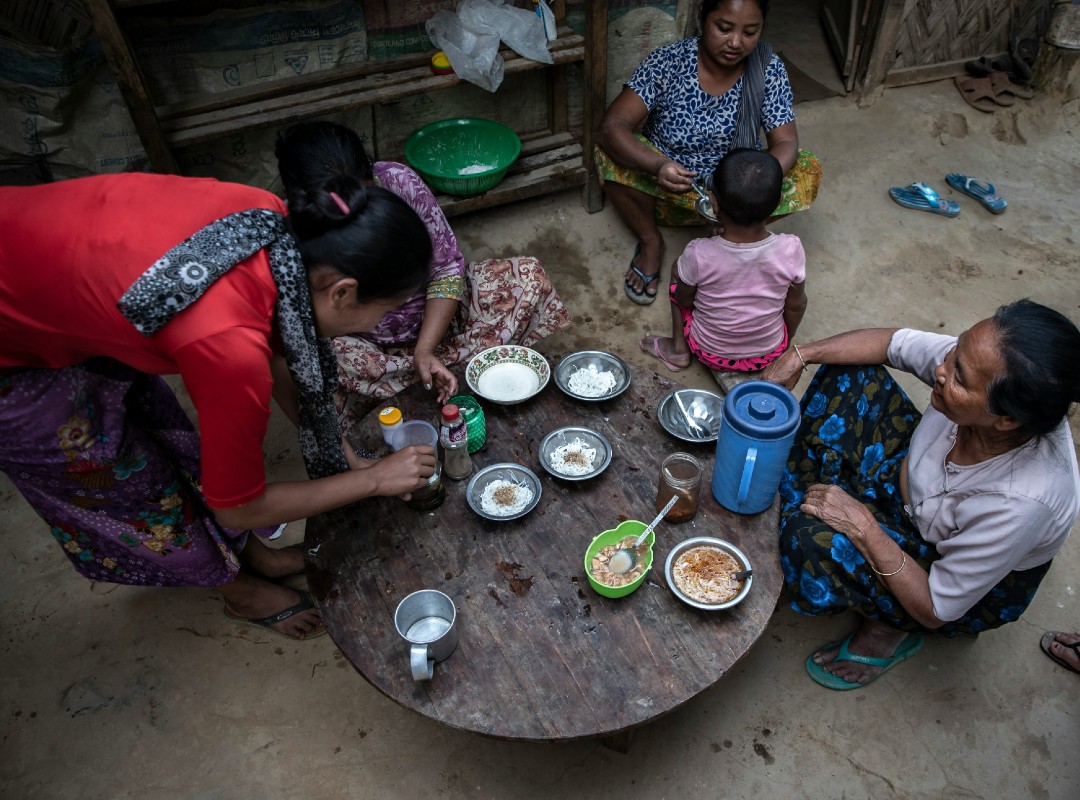
Furthermore, economic vulnerability is a key issue too. Almost 50% of the world, i.e. ~4 billion people lack access to any form of social safety net, and around 2 billion work in informal jobs with no job security or benefits. In low income countries, the share of informal workers could be higher than 90% with no hope of social security either.
Perspectives
If you believe in a better future – shaped by wisdom, grounded in action – we invite you to connect with us. Whether you are an individual, institution, or a movement, there is space for your voice
All the world's cultural, political, economic, and environmental wealth can be expressed and radiated more fully in this new context than within the narrow confines of a stifling unipolar space. Thus, multipolarity now appears to be a global emergency, an intellectual obligation to rethink international relations.
- Charles Onana, France
- Political scientist , journalist and essayist
The new paradigm of a multi-civilisational world is the prerequisite for a peaceful world, where cooperation transcends rivalries in order to tackle shared global challenges, such as ethnic conflicts within states, economic inequalities, demographic asymmetries, the unequal distribution of resources and threats to biodiversity.
- Edouard Husson, France
- Professor of Contemporary History & International affairs at CY Cergy-Paris University
A multipolar world allows civilizations to develop according to their own genius, their own values, their own understanding of the good life. It preserves the diversity of cultures and ways of being that make humanity rich.
- Nazem Alkudsi, United Arab Emirates
- Ex-CEO of Sovereign Wealth Fund | Strategic Advisor | Historian
What our geopolitical landscape needs is a vision that recognizes multiple visions and strives to reconcile them through cultural rather than purely political innovation. Instead of a “rules-based order” that relies on one dominant source tasked with creating and enforcing the rules, the nations, regions and peoples of the world
- Peter Isackson
- Chief Strategy OƯicer at Fair Observer
The establishment of a durable multipolar global order thus requires the opening of this vast intellectual undertaking of multipolarism. It must be thought through collectively, and Sapience may well provide the ideal platform for this endeavor.
- Youssef Hindi
- French-Moroccan essayist, historian of ideas, and lecturer France
Can our political ideology be so polarised that we stop loving our nation? That’s the difference between a civilisational state and a liberal nation. This multilateral and multipolar world demands fresh thinking, deep relationships and new narratives. A new sustainable economic model is now the need of the day.
- Narendran Soundarajan
- Data sciences and public policy expert India
Videos
If you believe in a better future – shaped by wisdom, grounded in action – we invite you to connect with us. Whether you are an individual, institution, or a movement, there is space for your voice
Join the Movement
Interested in supporting or collaborating with Sapience?
Reach out to learn how you or your organisation can participate.