Sapience Insights
Food for Thought
Rising Inequality and Economic Vulnerability
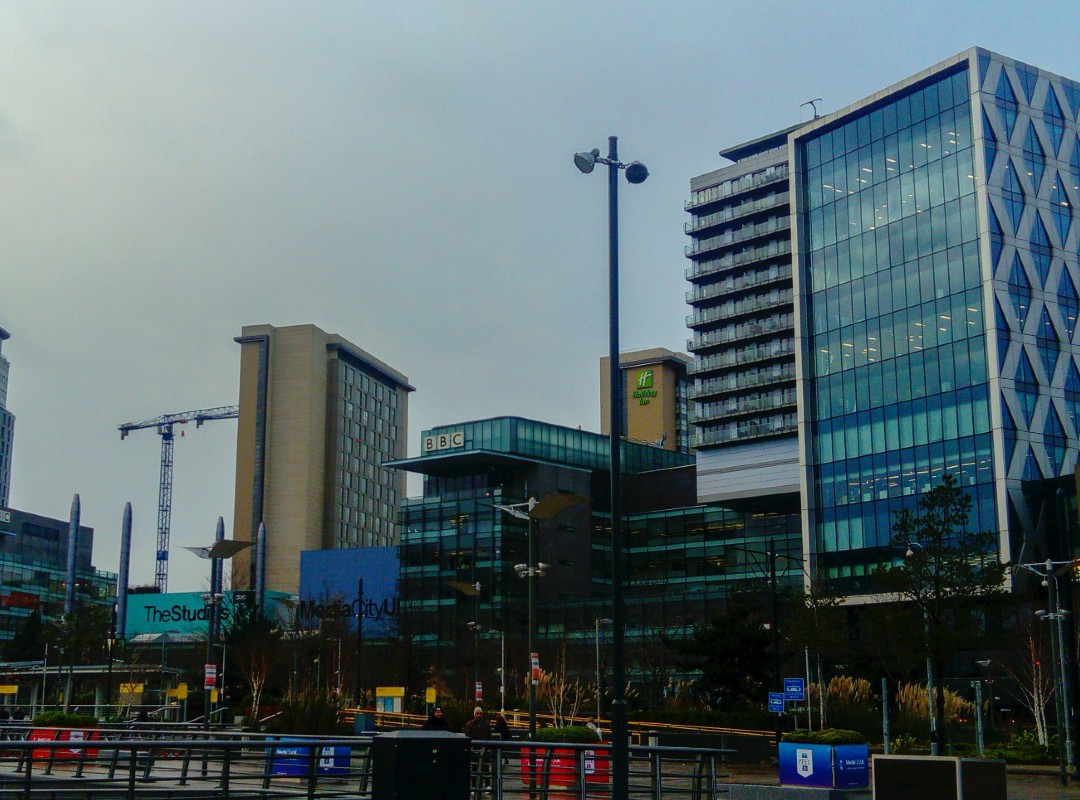
Over the last century, the world economy has seen staggering growth—global GDP has surged from around $3 trillion in 1925 to nearly $160 trillion today (in PPP terms). Alongside, average per capita income have also grown – from just $1,450 in 1925 to $19,750 now.
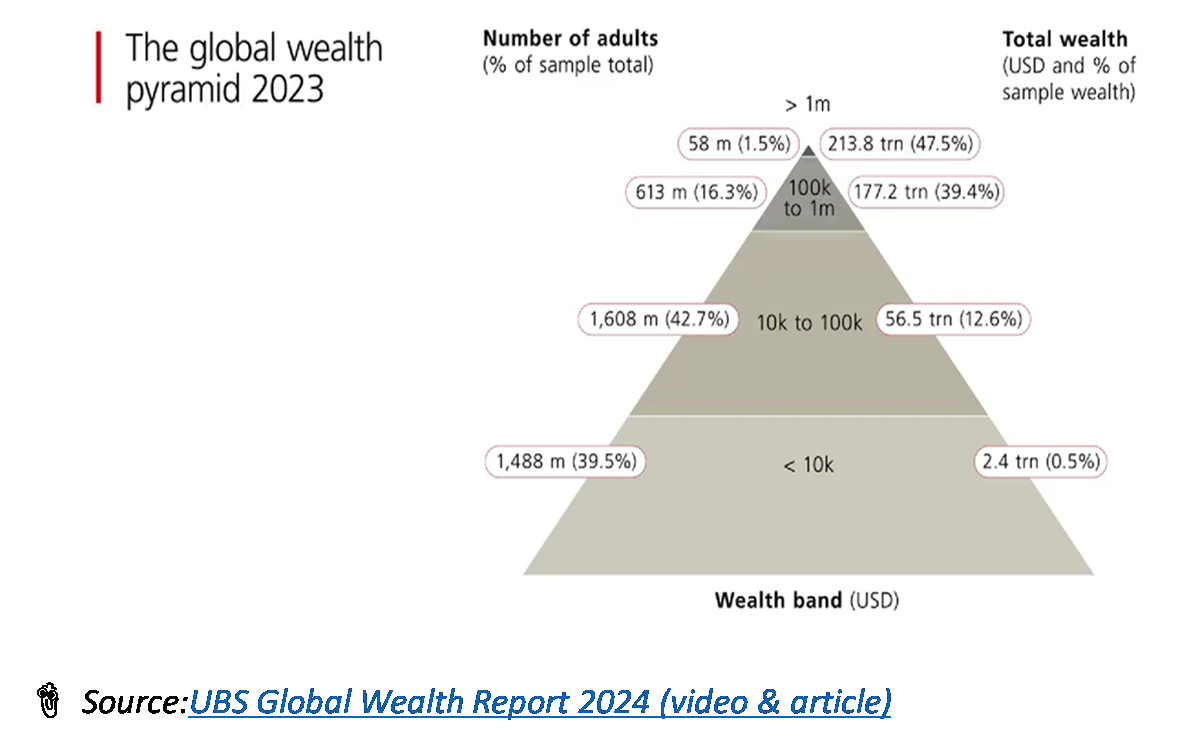
However, this growth has come with a deep divide – the top 10% of the world’s population now holds a staggering 74% of global wealth, while the bottom half of humanity owns just 2%.

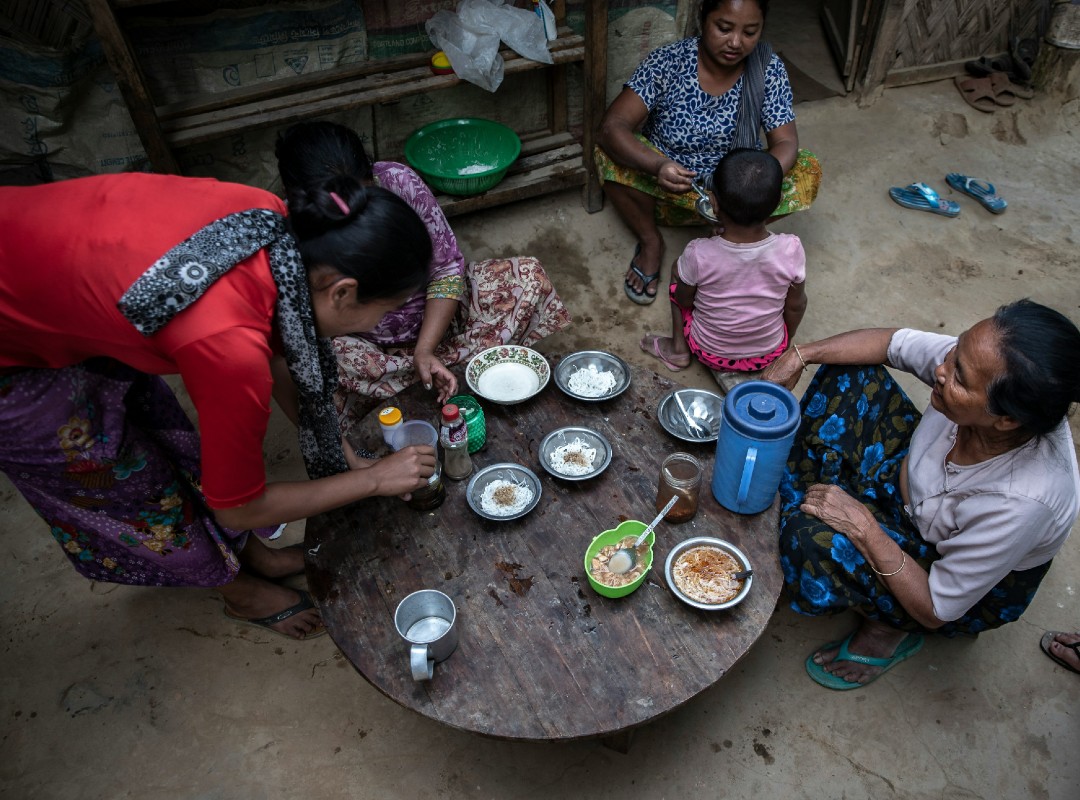
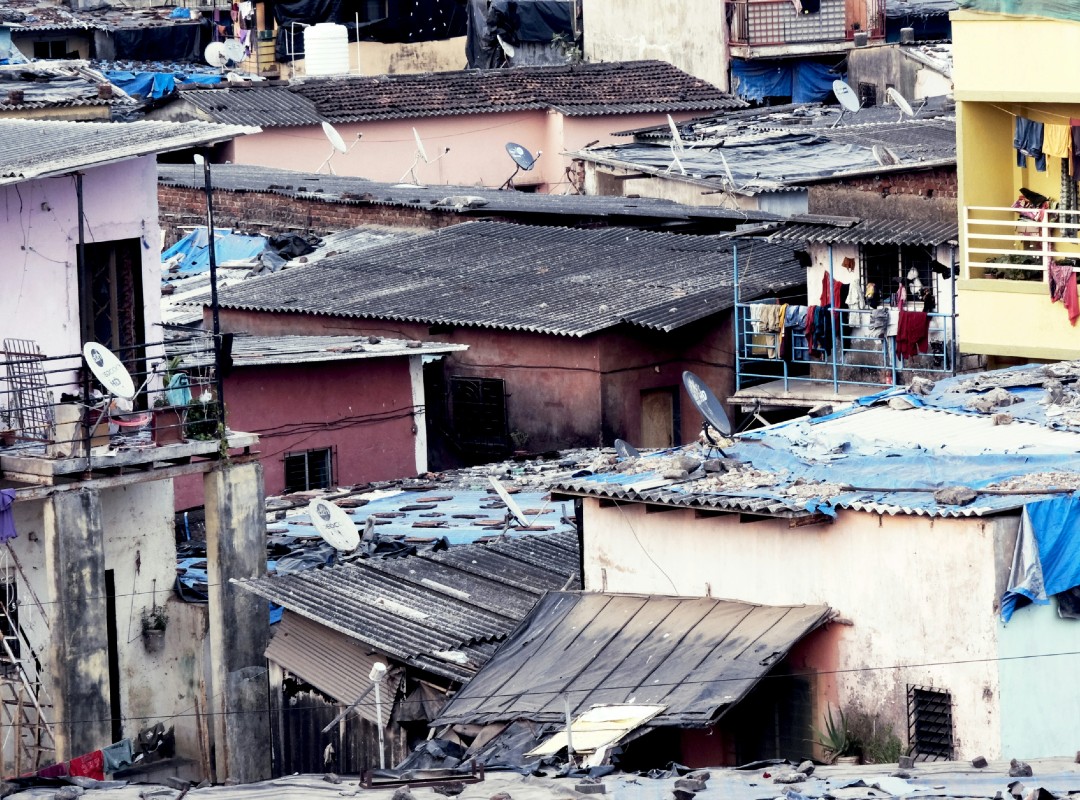
Furthermore, economic vulnerability is a key issue too. Almost 50% of the world, i.e. ~4 billion people lack access to any form of social safety net, and around 2 billion work in informal jobs with no job security or benefits. In low income countries, the share of informal workers could be higher than 90% with no hope of social security either.

Even as the world becomes richer, the gap between prosperity and poverty is wider than ever before. For example, a child born in Somalia is roughly 25 times more likely to die before age five than one born in Norway!


This poses fundamental questions on the virtues of an economic model that is generating wealth in such a concentrated minority. If a large part of the world is excluded from this windfall and stays economically vulnerable, what does this mean for the world’s stability and resilience? These and more such vexatious questions deserve deep thought and consideration.
Biodiversity and Nature on the Brink
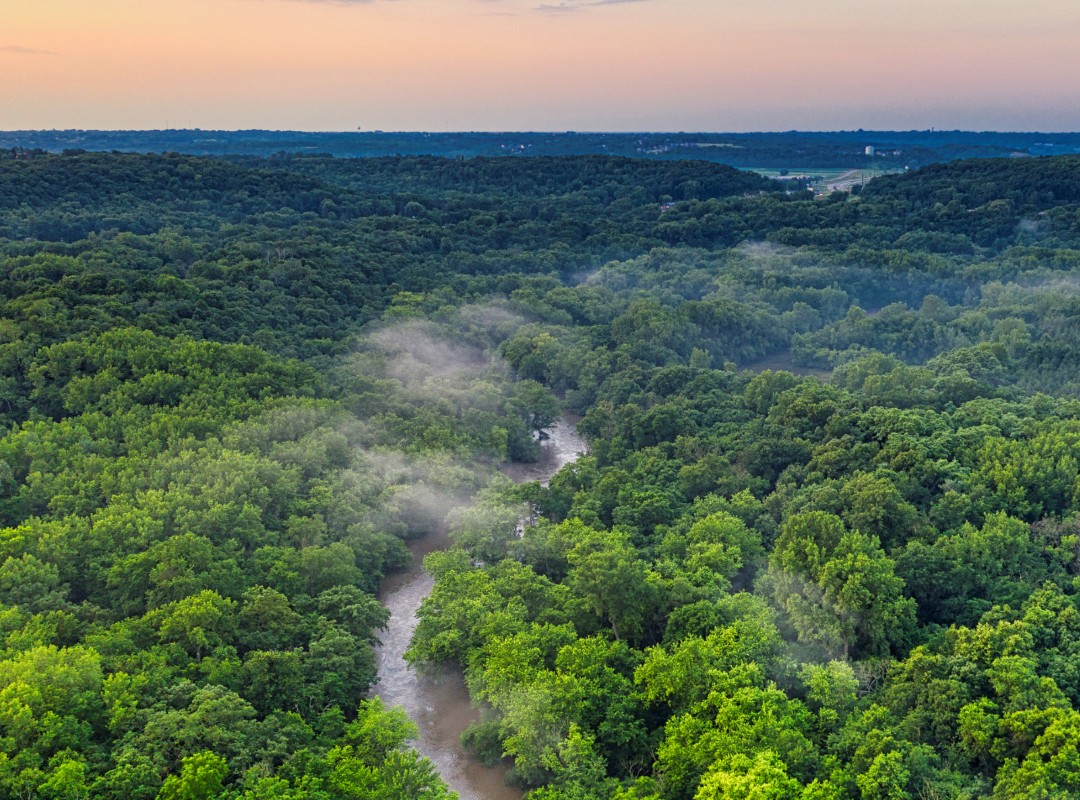
The world’s biodiversity is vanishing at a pace unseen in human history. Species are going extinct 1,000 to 10,000 times faster than the natural rate. A key culprit is our inveterate consumption—especially of meat. Today, the global average is 44 kg of meat per person per year. Reducing meat consumption by just 1 kg per person would spare hundreds of millions of animals from slaughter each year, besides reducing greenhouse gas emissions by over 200 mn metric tons of CO2 equivalent annually!

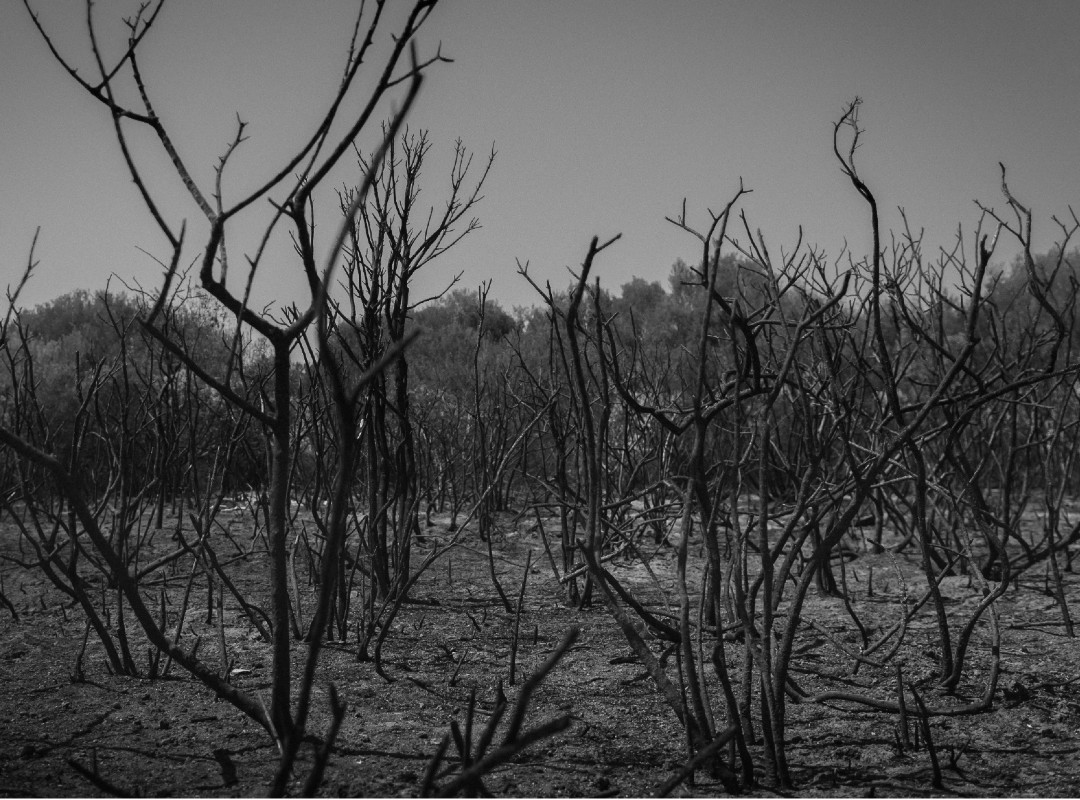
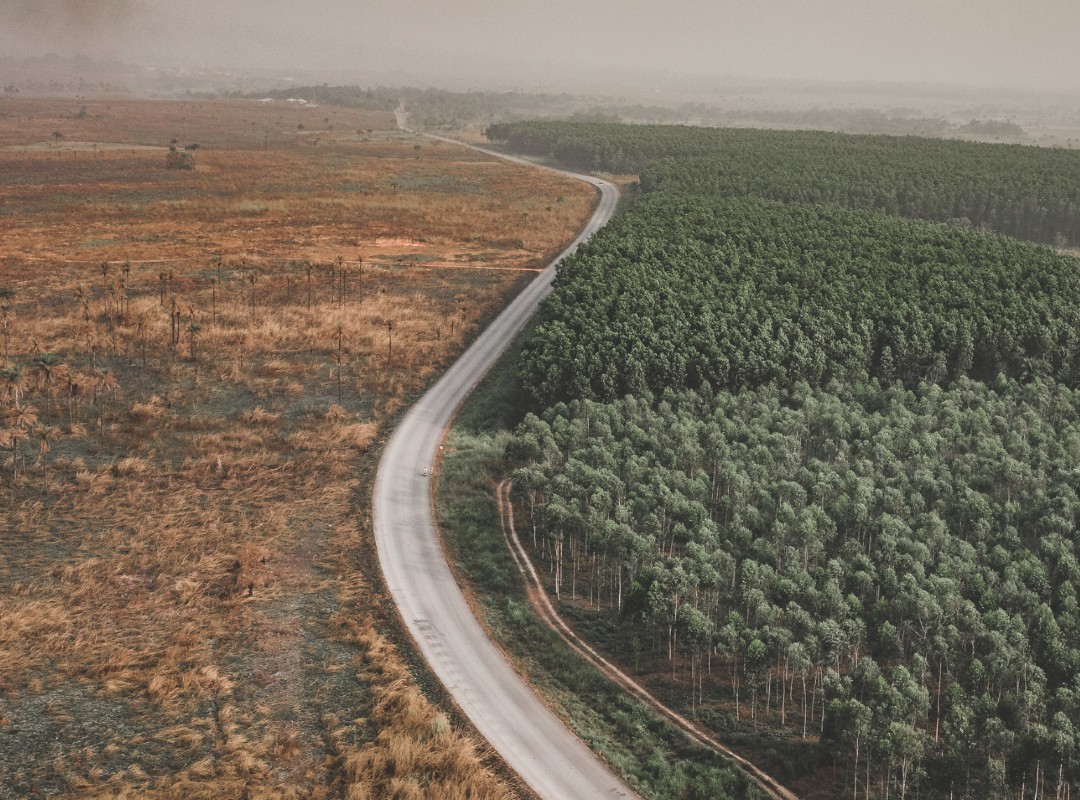
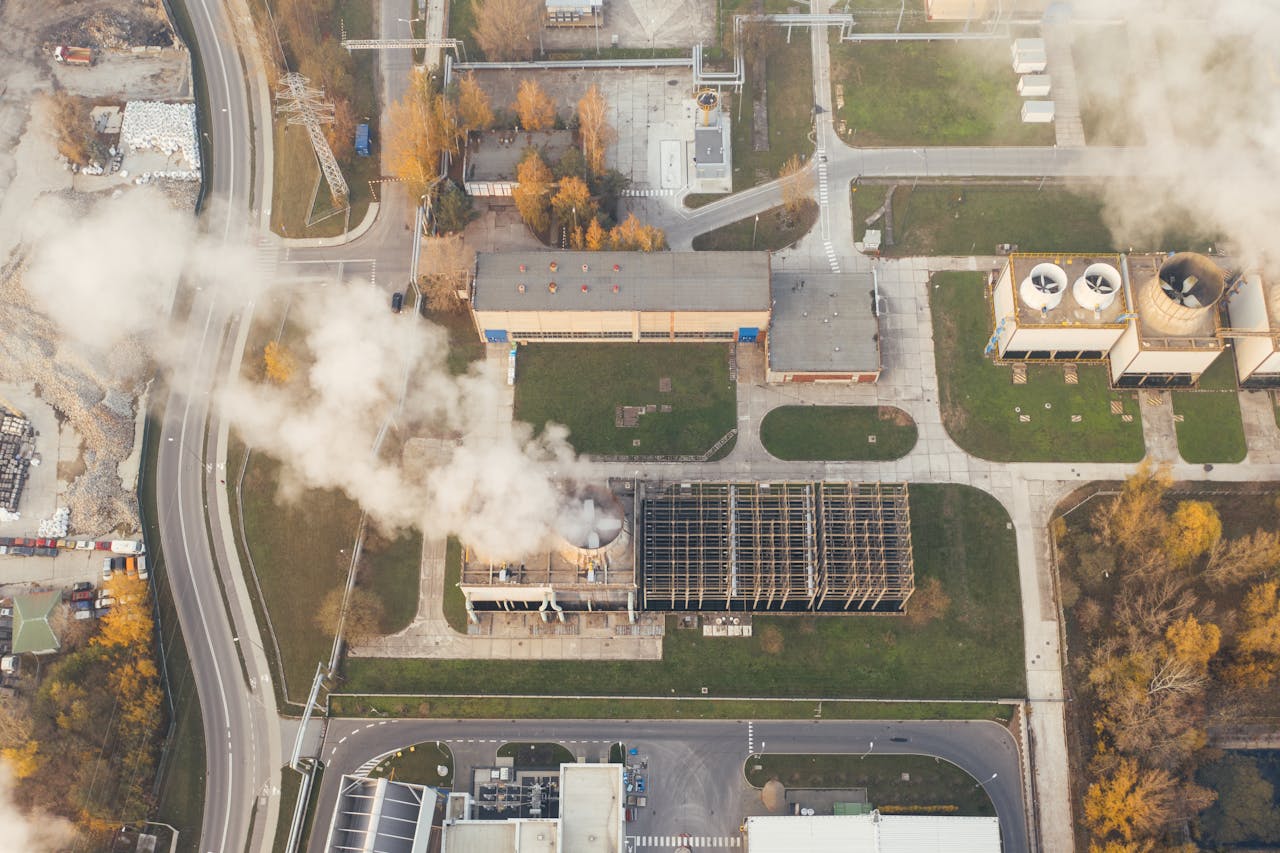
Our current path is environmentally dire. The richest 10% of the world emit nearly 30 tons of CO₂ annually—60 times more than the poorest 10%! Human-driven warming now triggers over 80% of extreme weather events. Heatwaves and forest fires are rampant, while Antarctica loses the equivalent mass of Mount Everest in ice every year. The human price of this disruption is high – for example, almost 200 million children under the age of 5 now face food insecurity, i.e. nearly one third of the world’s children under 5!
Can the world sustain a consumption-oriented lifestyle that extracts heavy costs from the planet? Plus, if those costs come from and further feed deep inequalities across countries, what consequences does it have for those that are vulnerable? What is the responsibility of the world towards its future generations?
These questions have no easy answers, but they demand deep contemplation and awareness building as a foundation on which change can then be envisioned.